2. Algorithmic Solutions, Inc going to introduce Hosting We have decided
to provide the webhosting to our customers free of cost. This benefit will be given
to the customers, developing website from us.
3. Algorithmic Solutions, Inc got contract of CRM Development Renowned
company signed a contract for CRM development for its office in lahore.
Indigo Powder, An Alternate for Chemicals Hair dyes in Pakistan
November 26, 2026
0
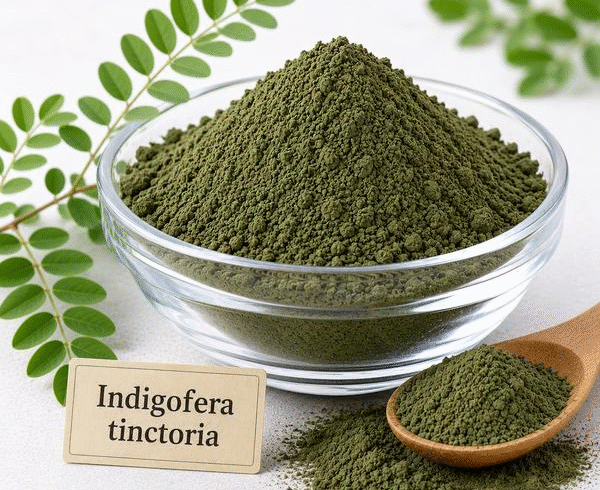
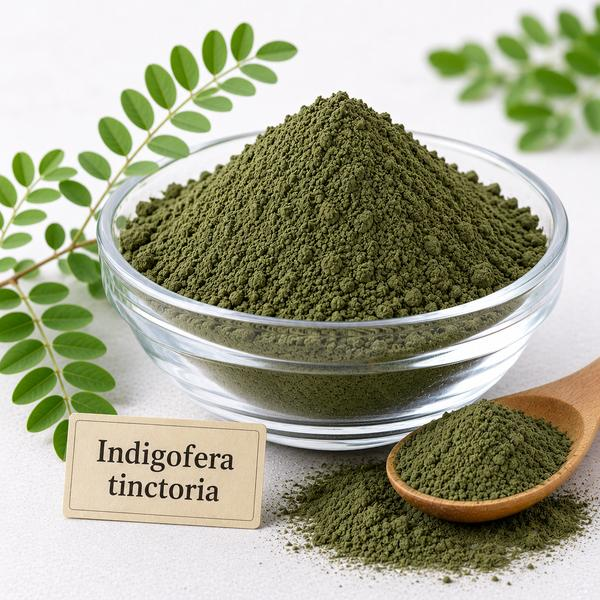
Indigo powder is becoming a popular choice among people looking for plant-based alternatives to conventional chemical hair dyes. Made from the leaves of the indigo plant (Indigofera tinctoria),
Indigo Powder vs Chemical Hair Dye: How to Use Indigo Powder, Henna Combinations, Processing Time and Results
Indigo powder is becoming a popular choice among people looking for plant-based alternatives to conventional chemical hair dyes. Made from the leaves of the indigo plant (Indigofera tinctoria), this natural coloring ingredient has traditionally been used to create dark shades, particularly brown and black, when combined with henna. To get Chemical free hair dye Buy organic Indigo Powder in Pakistan.
Unlike conventional permanent hair dyes, which generally rely on chemical ingredients to alter hair color, indigo powder deposits natural blue pigments onto the hair. However, achieving the desired shade requires the right preparation, application technique and, in many cases, a combination with henna.
Whether you are considering indigo powder for grey hair, want to achieve naturally dark-looking hair, or are exploring alternatives to chemical hair color, understanding how it works can help you make an informed decision.
In this guide, we will explore indigo powder vs. chemical hair dye, how to prepare and apply indigo powder, whether to use it before or after henna, how long to leave it on your hair, and whether it works independently. We will also discuss its use for both men and women, including beard colouring where appropriate.
Indigo Powder vs. Chemical Hair Dye: Understanding the Differences
Both indigo powder and chemical hair dyes are used to change hair colour, but they work through different colouring methods.
Chemical hair dyes are formulated using various ingredients that may include oxidative dyes, alkaline agents and hydrogen peroxide. Permanent oxidative dyes typically open the hair cuticle and allow dye precursors to react inside the hair shaft, creating larger coloured molecules.
Indigo powder works differently. Its coloring compounds are derived from the leaves of the indigo plant. When prepared and applied correctly, the pigment attaches to the hair and produces blue tones. When combined with henna, it can produce brown to dark brown and black-looking shades.
Comparison of Indigo Powder and Chemical Hair Dye
Feature
Indigo Powder
Chemical Hair Dye
Main ingredients
Plant-derived indigo powder
Synthetic colouring ingredients
Colouring method
Deposits plant-derived pigment
Depends on dye type; permanent dyes often use oxidation
Preparation
Mixed with water according to instructions
Usually mixed with developer for permanent dyes
Colour options
Blue tones, brown and black with henna
Wide range of shades
Grey hair coverage
Depends on hair condition and application method
Depends on formulation and shade
Processing time
Product-dependent
Product-dependent
Colour consistency
Can vary with hair history and preparation
Generally more predictable
Allergy risk
Natural ingredients can also cause reactions
Some ingredients can cause allergic reactions
Maintenance
Requires repeat applications as colour fades
Depends on dye type and hair growth
Ingredients: What Goes Into Each Product?
Pure indigo powder should contain ground leaves of Indigofera tinctoria without added synthetic colouring agents.
However, not every product marketed as natural indigo is necessarily pure. Some products may contain additional ingredients, fillers or synthetic dyes. Always check the ingredient list before purchasing.
Chemical hair dyes can contain ingredients such as:
Hydrogen peroxide in many permanent dye systems.
Ammonia or alternative alkaline agents.
Oxidative dye precursors such as p-phenylenediamine (PPD).
Fragrances and conditioning ingredients.
PPD is a recognised cause of allergic contact dermatitis in some individuals. Natural indigo is not automatically allergy-free either, so a patch test remains important.
Which Option Should You Choose?
Indigo powder may appeal to people who prefer plant-derived colouring ingredients and are comfortable with a preparation process that requires more attention.
Chemical hair dyes may be more convenient for people who want predictable colour choices, faster application or a specific salon-style shade.
Neither option is suitable for everyone. Your choice should depend on your desired color, hair history, ingredient sensitivities and willingness to follow the preparation instructions.